
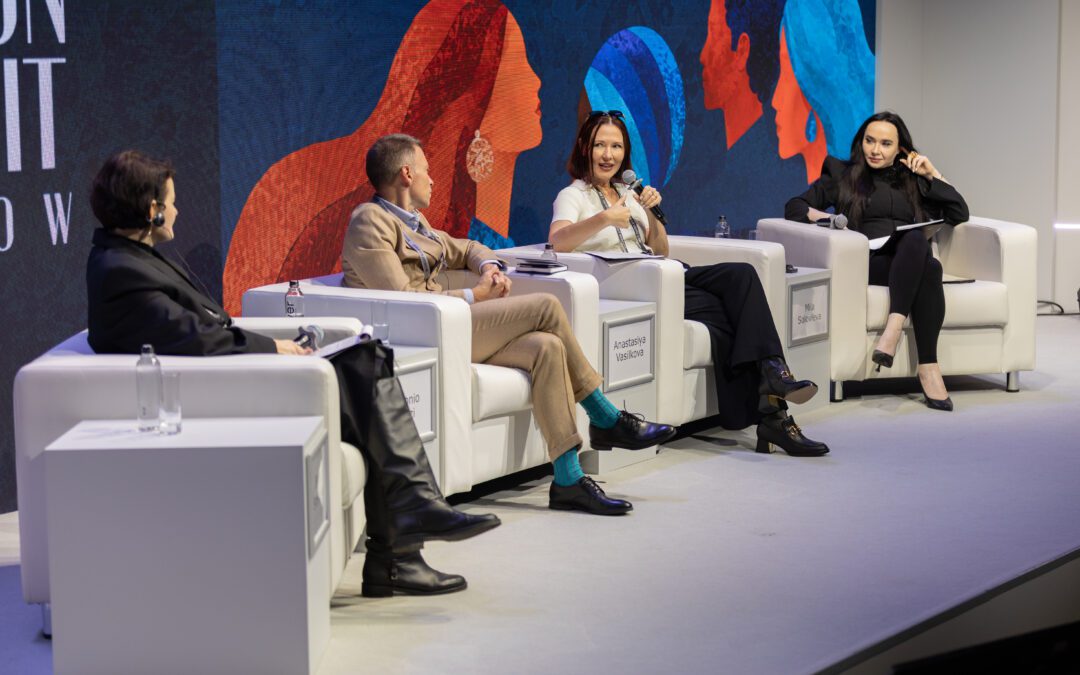



Si è svolto a Mosca, in Russia, dal 28 al 30 settembre il BRICS+ Fashion Summit, uno dei principali appuntamenti internazionali dedicati allo sviluppo e alle trasformazioni dell’industria della moda. Ospitato alla Concert Hall Zaryadye, il programma ha previsto 26 sessioni e ha riunito esperti, rappresentanti di associazioni del settore, designer, manager, buyer, retailer, giornalisti e accademici provenienti dalla Russia e da oltre 70 Paesi.
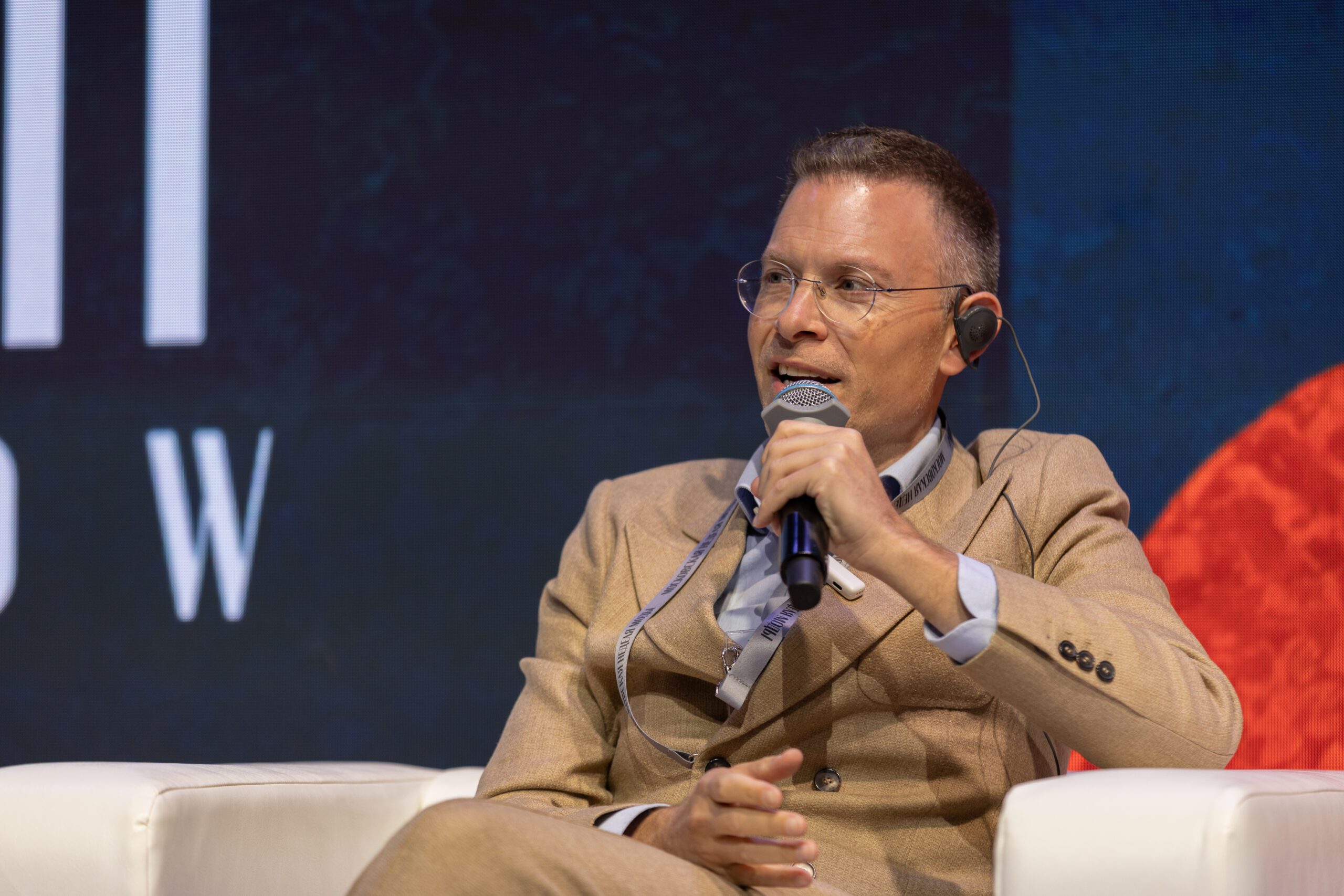
Anche Antonio Alizzi tra i relatori. Docente della Rome Business School, direttore scientifico della Fondazione Rizzola Academy e ricercatore Eurispes, Alizzi ha approfondito i temi dell’intelligenza artificiale, dei mercati e delle identità emergenti e delle nuove generazioni
Il Summit nasce nel più ampio contesto dei BRICS, il raggruppamento originariamente costituito da Brasile, Russia, India, Cina e Sudafrica e successivamente allargatosi a nuovi paesi che, insieme, hanno raggiunto il 50% della popolazione mondiale e oltre il 40% della produzione energetica globale. La formula “BRICS+” guarda ancora oltre, creando occasioni di confronto con paesi e mercati emergenti dell’Asia, dell’Africa, del Medio Oriente e dell’America Latina.
Nel fashion questo processo assume un significato particolare: accanto alle capitali che hanno tradizionalmente dettato linguaggi, tendenze e modelli di business, stanno emergendo nuovi centri creativi, produttivi e commerciali.
La quarta edizione del BRICS+ Fashion Summit si è proposta dunque come piattaforma di dialogo tra questi mercati e quelli più consolidati, innescando collaborazioni, scambio di competenze e visibilità internazionale per nuovi talenti e brand.
L’edizione 2026 ha affrontato alcuni dei grandi cambiamenti che stanno ridisegnando il settore: dall’intelligenza artificiale applicata ai processi creativi alla trasformazione dei comportamenti d’acquisto, dal ruolo delle identità culturali locali alle opportunità per i brand emergenti, fino agli investimenti e alle nuove strategie di internazionalizzazione.
Tra i relatori internazionali anche Antonio Alizzi, docente della Rome Business School e ricercatore Eurispes, che è intervenuto alla tavola rotonda “Fashion 0+: How to Preserve Space for Self-Expression”, dedicata al rapporto tra moda, infanzia e libertà di espressione.
Professor Alizzi, Milano, Parigi, Londra, New York hanno una tradizione consolidata con il tema della moda. E Mosca?
Nell’ambito del blocco dei paesi BRICS, la Russia ho assunto negli ultimi anni un ruolo di leadership e, al contempo, di spazio di discussione e sperimentazione. Il BRICS+ Fashion Summit si è svolto per il quarto anno consecutivo accanto alla settima edizione della Moscow Fashion Week.
Parliamo della sua tavola rotonda. Chi forma il gusto dei bambini e della Generazione Alpha oggi?
Soprattutto gli algoritmi. Per le generazioni precedenti, l’avvicinamento alla moda avveniva soprattutto attraverso la famiglia, il gruppo dei pari, la televisione, i negozi o, più avanti, le riviste. Oggi questo processo comincia molto prima e si svolge in larga parte dentro un ecosistema digitale nel quale social network, piattaforme video, creator, marketplace e sistemi di raccomandazione selezionano continuamente immagini, prodotti e modelli estetici.
Il rischio è che ciò che appare come una scelta spontanea sia in realtà il risultato di una pianificata esposizione a identità pre-costruite. Se l’algoritmo impara rapidamente ciò che attrae l’attenzione di un bambino e continua a proporgli contenuti simili, lo spazio della scoperta, della sperimentazione e persino dell’errore può progressivamente restringersi.
La moda rappresenta, fin dall’infanzia, un territorio di creatività, gioco e costruzione dell’identità. Ma diventa problematico quando l’accesso sempre più precoce ai suoi codici coincide con un’altrettanto precoce educazione al consumo. C’è una differenza sostanziale tra permettere a un bambino di utilizzare abiti, colori e accessori per raccontare qualcosa di sé piuttosto che indurlo a percepire la necessità di aderire continuamente a nuovi trend. Preservare lo spazio per l’autoespressione significa evitare che la moda dica ai più giovani chi devono essere, lasciando invece che siano loro a utilizzarla per scoprire chi vogliono essere.
Chi ha la responsabilità di proteggere questo spazio?
I genitori continuano ad avere una funzione fondamentale nell’educazione al consumo e nella costruzione di un rapporto equilibrato con l’immagine. Ma attribuire loro tutta la responsabilità significa ignorare la forza dell’ambiente digitale nel quale bambini e adolescenti trascorrono la propria esperienza quotidiana.
La responsabilità riguarda quindi anche brand, i cosiddetti digital creator, piattaforme e industria pubblicitaria. Quando il destinatario è un minore, la distinzione tra intrattenimento, racconto personale e comunicazione commerciale può diventare molto meno evidente. Per questo il settore deve interrogarsi non soltanto su ciò che è legalmente possibile comunicare, ma anche su ciò che è eticamente opportuno proporre a un pubblico che non possiede ancora gli stessi strumenti critici di un adulto.
E qui entra in gioco il tema delle regole: la pubblicità profilata rivolta ai minori, soprattutto quando sfrutta meccanismi algoritmici difficilmente riconoscibili, merita una riflessione specifica e richiede forme di stretta collaborazione tra industria, istituzioni, famiglie, scuola. Non si tratta di costruire nuovi divieti intorno alla moda ma di restituirle la sua funzione creativa. L’identità non deve coincidere con l’ultimo prodotto apparso sullo schermo ed essere originali non significa acquistare continuamente qualcosa di nuovo.
Sul rapporto tra moda e generazione Alpha cosa si può dire?
Che è abituata fin dall’infanzia a cicli sempre più rapidi di micro-trend e che rischia di sviluppare un rapporto con l’abbigliamento fondato sulla sostituzione continua. Per costruire consumatori futuri più consapevoli, questa generazione deve recuperare il valore affettivo, creativo e culturale dei capi.
È una sfida che riguarda anche le aziende?
Certamente. I brand nono sono solo chiamati a vendere, ma a costruire con le nuove generazioni una relazione credibile e responsabile nel tempo. Da un lato la geografia mondiale della moda diventa più ampia e multipolare, dall’altro evolve il concetto di innovazione. Innovare non significa soltanto introdurre nuove tecnologie, nuovi mercati o nuovi modelli distributivi. Significa anche interrogarsi sull’impatto culturale e sociale che la moda esercita sulle generazioni che stanno crescendo.
 Ecco la versione in inglese:
BRICS+ Fashion Summit in Moscow: Fashion and New Generations
The BRICS+ Fashion Summit, one of the leading international events focused on the development and transformation of the fashion industry, took place in Moscow, Russia, from September 28 to 30. Hosted at the Zaryadye Concert Hall, the program featured 26 sessions and brought together experts, industry association representatives, designers, executives, buyers, retailers, journalists and academics from Russia and more than 70 countries.
Among the speakers was Antonio Alizzi, a professor at Rome Business School, Scientific Director of Fondazione Rizzola Academy and a researcher at Eurispes. His contributions focused on artificial intelligence, evolving markets and identities, and the relationship between fashion and new generations.
The Summit is part of the broader BRICS framework, originally established by Brazil, Russia, India, China and South Africa and subsequently expanded to include additional countries. Together, BRICS nations now account for approximately 50 percent of the world’s population and more than 40 percent of global energy production. The “BRICS+” format extends this perspective even further, creating opportunities for dialogue with countries and emerging markets across Asia, Africa, the Middle East and Latin America.
In fashion, this shift carries particular significance. Alongside the traditional capitals that have historically shaped the industry’s languages, trends and business models, new creative, manufacturing and commercial hubs are gaining international prominence.
The fourth edition of the BRICS+ Fashion Summit positioned itself as a platform for dialogue between these emerging markets and more established ones, fostering collaboration, knowledge exchange and international visibility for new talent and brands.
The 2026 edition addressed some of the major forces reshaping the industry: from artificial intelligence in the creative process to changing consumer behavior, from the role of local cultural identities to opportunities for emerging brands, as well as investment and new strategies for international expansion.
Among the international speakers was Antonio Alizzi, professor at Rome Business School and researcher at Eurispes, who took part in the roundtable “Fashion 0+: How to Preserve Space for Self-Expression,” focusing on the relationship between fashion, childhood and freedom of expression.
Professor Alizzi, Milan, Paris, London and New York have a long-established tradition in fashion. What about Moscow?
Within the BRICS landscape, Russia has taken on an increasingly prominent role in recent years, while also becoming a space for dialogue, experimentation and new approaches to the fashion industry. The BRICS+ Fashion Summit has now been held for four consecutive years, alongside the seventh edition of Moscow Fashion Week.
Let’s talk about your roundtable. Who shapes the tastes of children and Generation Alpha today?
Algorithms, more than anything else.
For previous generations, the first encounters with fashion were shaped primarily by family, peer groups, television, stores and, later on, magazines. Today, that process begins much earlier and increasingly takes place within a digital ecosystem where social media, video platforms, creators, marketplaces and recommendation systems continuously select the images, products and aesthetic models young people are exposed to.
The risk is that what appears to be a spontaneous choice may actually be the result of carefully engineered exposure to prepackaged identities. If an algorithm quickly learns what captures a child’s attention and keeps feeding them similar content, the space for discovery, experimentation and even making mistakes can gradually become narrower.
Fashion, from childhood onward, can be a powerful space for creativity, play and identity-building. It becomes problematic, however, when increasingly early exposure to the codes of fashion coincides with an equally early education in consumption.
There is a fundamental difference between allowing children to use clothes, colors and accessories to express something about themselves and making them feel they must constantly keep up with new trends. Preserving space for self-expression means preventing fashion from telling young people who they are supposed to be, and instead allowing them to use fashion as a way to discover who they want to become.
Who is responsible for protecting that space?
Parents continue to play a fundamental role in consumer education and in helping children develop a balanced relationship with their image. But placing the entire responsibility on families means overlooking the power of the digital environment in which children and teenagers now spend a significant part of their daily lives.
Responsibility therefore also extends to brands, digital creators, platforms and the advertising industry. When the audience is made up of minors, the distinction between entertainment, personal storytelling and commercial communication can become much harder to recognize.
For this reason, the industry needs to ask not only what it is legally allowed to communicate, but also what it is ethically appropriate to present to an audience that has not yet developed the same critical tools as an adult.
This is also where regulation comes into play. Targeted advertising aimed at minors, particularly when it relies on algorithmic mechanisms that are difficult for young users to recognize, deserves specific attention and calls for closer cooperation among the industry, public institutions, families and schools.
The goal is not to build new restrictions around fashion, but to restore and protect its creative function. Identity should not become synonymous with the latest product appearing on a screen, and originality should not mean constantly having to buy something new.
What can we say about the relationship between fashion and Generation Alpha?
Generation Alpha has grown up with increasingly rapid cycles of micro-trends and therefore risks developing a relationship with clothing based on constant replacement. If we want to encourage more conscious consumers in the future, this generation needs to rediscover the emotional, creative and cultural value of clothing.
Is this also a challenge for companies?
Absolutely. Brands are no longer simply called upon to sell products; they also need to build credible, responsible and lasting relationships with younger generations.
On the one hand, the global geography of fashion is becoming broader and increasingly multipolar. On the other, the very meaning of innovation is evolving. Innovation is no longer just about introducing new technologies, entering new markets or developing new distribution models. It also means questioning the cultural and social impact fashion has on the generations now growing up.